This week we watched a video called Randy Pausch Last Lecture: Achieving Your Childhood Dreams, by Randy Pausch. Prof. Pausch brought tears to my eyes in his last lecture, where he talked about achieving your childhood dreams. Prof. Pausch had ten tumors in his liver, and on this lecture date had two more months to live. This lecture was not one that was looking for pity, but to show people that anything is possible. Prof. Pausch was able to make all his childhood dreams come true, because of hard work and the determination to never give up. He talked a lot about brick walls and I learned the reason why they were important. Brick walls are put in front of people to make you prove how badly you want something. The brick walls separate those people who are serious and show dedication and those people who do not. I also learned about teaching and learning from Prof. Pausch.
One thing about teaching is that you should never limit your students. If you have students that exceed your expectations, you should encourage them, but also let them know that they could do better. I also learned that the best gift an educator can give is the gift of making your students self-reflective. A student that can point out and criticize their own flaws is one that has many more roads open to them in the future.
Prof. Pausch also taught about learning to learn. He talked about how teachers should get a feedback loop, this lets the teacher and the students learn about the class and themselves, if they are willing to listen. He said that people will tell you what you need to hear, but the hard part is listening, learning, and not making up excuses. As a future teacher, I need to cherish what people are telling me, and not take it offensively. One statement that really stood out to me, was when Prof. Pausch said that you should be happy when someone criticizes you, because it means they care. However, if no one is criticizing you, that means they have given up on you. This statement is very eye opening and made me think twice.
As a future educator, my job will not only be to teach, but also to learn. Prof. Pausch taught me many things in this video, which I will not soon forget. He taught me to focus on others and not on yourself; he taught me to be good at something, because it is what makes you valuable; and he taught me to find the best in everyone, no matter how long it takes. Life is too short not to teach, and learn from the experiences around you!
Sunday, October 27, 2013
Sunday, October 20, 2013
Blog Post 9
Back to the Future
By Linda Check and Meagan Freeman
In the first video we watched, Back to the Future, we met Mr. Brian Crosby. Brian Crosby is a 4th-6th grade teacher at Agnes Risley Elementary School in Nevada. The video begins when Crosby tells the audience that 90% of his students are second language learners in poverty level homes. He also explained how less than half the class knew what city, country, and state they lived in. This shows how little his students are exposed to, both in school and in life itself. Crosby opens up a whole new world to his class, though. Oh, he makes sure to cover the state standards, but he takes it a step further by not only teaching the material, but also letting his students teach, invent, and witness the class material.
Crosby’s class has a one-on-one laptop/student ratio, which the students use to make individual blogs, Skype with students all over the world, and conduct additional research of the topics gone over in class. All of us wish to have an opportunity like this in our future classroom. These students, who live in poverty, are able to teach lessons to kids in New Zealand, because their teacher encourages and gives them the opportunity to do so. This video showed us that you cannot judge a student’s ability to learn by where they come from. We all agree that Brian Crosby is an excellent educator and his classroom has no limits! We learned how to become more efficient teachers, thanks to this video!
Blended Learning Cycle
By Linda Check and Meagan Freeman
In the second video,Blended Learning Cycle, Paul Andersen explains blended learning. He tells us that blended learning is taking compelling parts of online, classroom, and mobile learning and blending them all together in the classroom. This comes together with the learning cycle, which has “five E’s”. They include starting with an Engaging question, then students are able to Explore, then the teacher Explains the phenomenon, the class Expands upon the question, and last the class Evaluates what happened. The learning cycle helps present material and ensure it is learned. Putting those two together creates the Blended Learning Cycle. Paul gave us an acronym to remember this, “quivers”. His blended learning cycle contains six parts.
1. Question- Something to really get the students attention.
2. Investigation/Inquiry- experiment and use inquiry learning.
3. Video- use learning through video instead of just classroom lecture.
4. Elaboration- give your students reasoning/diagrams.
5. Review- meet students individually and check their understanding.
6. Summary Quiz- students will take a quiz on the lesson.
After the students have a few “quivers” learning cycles, the students will have a unit test to show what they know. Paul explains this as a type of mastery learning.
We both agree that blended learning should be used in the classroom. Blended learning helps students become more engaged and retain the material easier than other types of lessons. Paul did a great job of explaining blended learning piece by piece. We agree that starting lessons with an engaging question not only draws students in, but helps get them thinking. Letting students explore is important. It gives them freedom and a chance to learn by his or herself. The acronym Paul uses is a creative way to remember the six parts to his blended learning cycle, which we agree is a great cycle. We love the idea of the individual reviews. It is crucial for each student to comprehend the lesson for it to be successful. This video was very informative!
By Linda Check and Meagan Freeman
In the first video we watched, Back to the Future, we met Mr. Brian Crosby. Brian Crosby is a 4th-6th grade teacher at Agnes Risley Elementary School in Nevada. The video begins when Crosby tells the audience that 90% of his students are second language learners in poverty level homes. He also explained how less than half the class knew what city, country, and state they lived in. This shows how little his students are exposed to, both in school and in life itself. Crosby opens up a whole new world to his class, though. Oh, he makes sure to cover the state standards, but he takes it a step further by not only teaching the material, but also letting his students teach, invent, and witness the class material.
Crosby’s class has a one-on-one laptop/student ratio, which the students use to make individual blogs, Skype with students all over the world, and conduct additional research of the topics gone over in class. All of us wish to have an opportunity like this in our future classroom. These students, who live in poverty, are able to teach lessons to kids in New Zealand, because their teacher encourages and gives them the opportunity to do so. This video showed us that you cannot judge a student’s ability to learn by where they come from. We all agree that Brian Crosby is an excellent educator and his classroom has no limits! We learned how to become more efficient teachers, thanks to this video!
Blended Learning Cycle
By Linda Check and Meagan Freeman
In the second video,Blended Learning Cycle, Paul Andersen explains blended learning. He tells us that blended learning is taking compelling parts of online, classroom, and mobile learning and blending them all together in the classroom. This comes together with the learning cycle, which has “five E’s”. They include starting with an Engaging question, then students are able to Explore, then the teacher Explains the phenomenon, the class Expands upon the question, and last the class Evaluates what happened. The learning cycle helps present material and ensure it is learned. Putting those two together creates the Blended Learning Cycle. Paul gave us an acronym to remember this, “quivers”. His blended learning cycle contains six parts.
1. Question- Something to really get the students attention.
2. Investigation/Inquiry- experiment and use inquiry learning.
3. Video- use learning through video instead of just classroom lecture.
4. Elaboration- give your students reasoning/diagrams.
5. Review- meet students individually and check their understanding.
6. Summary Quiz- students will take a quiz on the lesson.
After the students have a few “quivers” learning cycles, the students will have a unit test to show what they know. Paul explains this as a type of mastery learning.
We both agree that blended learning should be used in the classroom. Blended learning helps students become more engaged and retain the material easier than other types of lessons. Paul did a great job of explaining blended learning piece by piece. We agree that starting lessons with an engaging question not only draws students in, but helps get them thinking. Letting students explore is important. It gives them freedom and a chance to learn by his or herself. The acronym Paul uses is a creative way to remember the six parts to his blended learning cycle, which we agree is a great cycle. We love the idea of the individual reviews. It is crucial for each student to comprehend the lesson for it to be successful. This video was very informative!
Sunday, October 13, 2013
C4T #2
The purpose of the English major
For this C4T I was assigned Mary Worrell’s to the blog See Mary Teach. Ms. Worrell is an American newspaper reporter-turned-teacher living in The Netherlands. The first blog post I read was one titled The purpose of the English major, which had a link to The Decline and Fall of the English Major and, that is what Ms. Worrell’s blog post was about. Ms. Worrell said the article made he think about her job as a teacher of English and, more specifically, a teacher of thinking and communicating.
The Decline and Fall of the English Major is an article about how the humanities have fallen into hard times. Parents worry when their children want to become an English major, because “what is an English major good for?” The article also tells of how students can assemble strings of jargon, but they cannot write clearly, simply, with attention and openness to their own thoughts and emotions and the world around them. It says that writing is a fundamental principle of the humanities, but it does not get credit where it is due.
My comment on the blog post:
Hello! My name is Linda Check and I am a student at the University of South Alabama in EDM310. Reading the article you linked with your blog post, made me stop and think a moment. As a future educator, I hope to instill the knowledge in my students that literature and writing are powerful tools for life. I have seen parents shake their heads when my friends have told them they want to be English majors, but what the parents do not realize is that their children will change lives. As a bookworm, I have had pieces of literature open my eyes and change my view on many different topics. The gift that humanities bring to people is “clear thinking, clear writing, and a lifelong engagement with literature.” I agree with this statement and hope that more people can see just how important the humanities are. If interested, my blog page is http://checklindaedm310.blogspot.com/, and I would love for you to take a look!
When boundaries don’t protect
The second blog post I read on See Mary Teach, was titled When boundaries don’t protect. This was a very enlightening blog post that Ms. Worrell wrote about the boundaries that teachers draw between their students and themselves. She said that at her first teaching job she did not let her students see her human side. She said that people told her to not make friends with the students, suspect all students being friendly, because they were just trying to take advantage of her, and to even wear high heels, because she was shorter than some students were. She said she was guarded and she could tell students knew that she was not being honest with them. Ms. Worrell said as a result, she never connected with the students.
Now, however, she is being herself in the classrooms. She is a funny-weirdo that has a deeper connection with he students, than ever before. She said, “I’ve revealed my human side in an appropriate way without compromising my professionalism and I am a better teacher – and person – because of it.”
My comment on the blog post:
Hello! I have always been told that I am a pushover. People joke that when I finally get into a classroom, my students will run the class, not me. I have a fear that there is some truth in this, so during my classroom observations I try to be guarded with my true personality around the students. I know there is a boundary that you have to create when you are a teacher and I am scared to death of crossing that boundary. As you said, though, I think the best teachers are ones that show their human side to the students, but in an appropriate way.
For this C4T I was assigned Mary Worrell’s to the blog See Mary Teach. Ms. Worrell is an American newspaper reporter-turned-teacher living in The Netherlands. The first blog post I read was one titled The purpose of the English major, which had a link to The Decline and Fall of the English Major and, that is what Ms. Worrell’s blog post was about. Ms. Worrell said the article made he think about her job as a teacher of English and, more specifically, a teacher of thinking and communicating.
The Decline and Fall of the English Major is an article about how the humanities have fallen into hard times. Parents worry when their children want to become an English major, because “what is an English major good for?” The article also tells of how students can assemble strings of jargon, but they cannot write clearly, simply, with attention and openness to their own thoughts and emotions and the world around them. It says that writing is a fundamental principle of the humanities, but it does not get credit where it is due.
My comment on the blog post:
Hello! My name is Linda Check and I am a student at the University of South Alabama in EDM310. Reading the article you linked with your blog post, made me stop and think a moment. As a future educator, I hope to instill the knowledge in my students that literature and writing are powerful tools for life. I have seen parents shake their heads when my friends have told them they want to be English majors, but what the parents do not realize is that their children will change lives. As a bookworm, I have had pieces of literature open my eyes and change my view on many different topics. The gift that humanities bring to people is “clear thinking, clear writing, and a lifelong engagement with literature.” I agree with this statement and hope that more people can see just how important the humanities are. If interested, my blog page is http://checklindaedm310.blogspot.com/, and I would love for you to take a look!
When boundaries don’t protect
The second blog post I read on See Mary Teach, was titled When boundaries don’t protect. This was a very enlightening blog post that Ms. Worrell wrote about the boundaries that teachers draw between their students and themselves. She said that at her first teaching job she did not let her students see her human side. She said that people told her to not make friends with the students, suspect all students being friendly, because they were just trying to take advantage of her, and to even wear high heels, because she was shorter than some students were. She said she was guarded and she could tell students knew that she was not being honest with them. Ms. Worrell said as a result, she never connected with the students.
Now, however, she is being herself in the classrooms. She is a funny-weirdo that has a deeper connection with he students, than ever before. She said, “I’ve revealed my human side in an appropriate way without compromising my professionalism and I am a better teacher – and person – because of it.”
My comment on the blog post:
Hello! I have always been told that I am a pushover. People joke that when I finally get into a classroom, my students will run the class, not me. I have a fear that there is some truth in this, so during my classroom observations I try to be guarded with my true personality around the students. I know there is a boundary that you have to create when you are a teacher and I am scared to death of crossing that boundary. As you said, though, I think the best teachers are ones that show their human side to the students, but in an appropriate way.
Friday, October 11, 2013
Blog Post 8
View2Do
By Linda Check
When I graduate, I plan to teach Special Education. Through EDM310, I have learned of many valuable resources that I intend to use when I get to my classroom. This week, though, we were instructed to find a 21st century learning and communicating tool not covered in class. I found Do2Learn, and in this website I discovered an evidence-based visual learning support tool called View2Do.
First, Do2Learn is a website that is phenomenal for Special Education teachers! It provides thousands of free pages with social skills and behavioral regulation activities. It also has songs and games, communication cards, and academic material that teachers could access easily and use in the classroom. In addition, this website has an endless amount of information on the different types of disabilities and strategies on how to help a child learn to their fullest potential. Do2Learn is an awesome resource for both teachers and parents.
Now for the learning tool I chose, View2Do. View2Do is an online program that lets teachers and parents create customized teaching aids for visual learners. The program can be accessed on any Macs, PCs, IPad, Android Tablets, and Cell Phones. It allows teacher and parents to create and edit individualized schedules, visual supports, graphic organizers, homework assignments, and to do list for each student on an easy drag-and-drop template.
This program, also, allows students with special needs to receive constant visual support when doing schoolwork at home, immediate feedback on their work, and allows teachers to evaluate their student’s progress with real-time interactions and offer help when needed. Learning does not end when school is over and View2Do makes sure the students have the support needed at home to succeed.
I could use View2Do to enhance my classroom for those students with learning and communication differences in many different ways. One way I would apply View2Do, is by creating a template with the class routine, so the students know what to expect each day. Another way this program will help improve my classroom, is by allowing me to use View2Do’s Image Library to create a folder that permits the students, who cannot speak, to choose an image that expresses what it is they need/want. Lastly, the program will allow me to organize, print, and save files I find useful for the class. Having all the files I need on View2Do will save me valuable class time and paper, because I can share lesson worksheets with the students via their View2Do account.
I expect great outcomes will result in the use of View2Do. I expect homework to help the student, rather than add stress to the student, because they will be able to receive help whenever they need it. I expect the students will be more at ease in school, because they will always know what to expect next. Finally, I expect those students with no voice to find their voice, thanks to View2Do!
After looking through many websites and talking to several Special Education teachers, I decided that View2Do had something for everyone, and that is why I chose this learning and communication tool. Overall, it is user friendly, it allows parents and teachers to work together to find what works best for a particular student, it has big, colorful pictures that make it engaging for the student, and helps the students with special needs reach their full potential. Being a future Special Education teacher, this 21st century technology is one that I will definitely put to use in my classroom!
Here is a short video that shows iPads giving students with autism a voice by using different apps that allow the child to select pictures, just like View2Do allows students to do.
iPad class gives voice to kids with autism
GoTalk
by Meagan Freeman
I will be teaching Special Education after I graduate, so I thought about what types of technology my students would work best with. . I used Symbaloo to begin searching for the type of technology that I felt would be most beneficial in my classroom. I found a website called Fun and Function which an endless amount of categories for special needs. I found an AAC device called “GoTalk 9+”. AAC stands for Augmentative and Alternative Communication. This device enables people to communicate. The GoTalk is shaped like an iPad, except you can slide a picture board into it. The GoTalk comes with 5 different picture boards, including 12 pictures on each board. The GoTalk has 5 levels, so each level correlates with 1-5 of the soundboards. There are 3 core messages which stay the same no matter which level you are on. Each picture can have a phrase recorded up to 10 seconds long. For example: the phrase “I am hungry, may I have a snack please?” may be played when the picture of grapes is pressed. A helper will decide what phrases will be most useful in the GoTalk user’s daily activities. The recordings can be easily changed. The GoTalk comes with a handle, storage compartment for each picture board, and volume level. Here is a link to the website. It includes a desbription of the product and a video tutorial:GoTalk.
I would use this in my classroom because it will give my students who can’t speak, an opportunity to have a voice. The GoTalk will greatly help students with Autism, Cerebral Palsy, Speech Disorder, and children who are just plain stubborn.. Many times I have seen children left out of activities, or not have a choice just because they are non-verbal. People who are non verbal still have an opinion and know what they want. The GoTalk lets them express their thoughts and feelings in a way they cannot do on their own. It not only helps children express themselves, but it also motivates them to try and speak. Also, touching the pictures helps increase fine motor skills. I would use the GoTalk for everyday activities. It is only necessary that I give children who are nonverbal or who have a speech deficit the same opportunity to speak as every other child. My hopes would be that I could have more than one in my classroom, because I expect to have more than one student with a speech deficit. The GoTalk gives endless possibilities.
Instead of the videos you provided, I found one for my field of study. It is about a little girl named Lianna who has Cerebral Palsy. She is not able to control her movement, therefore cannot use the GoTalk device. She uses a C12 Speech Generating Device. The device also has pictures with phrases just like GoTalk, but her device is slightly different. There is a camera on the device which follows her eye movement. The camera detects when she looks at for a specified length of time. Her device also has pre programmed and customized page settings. Her device also has “word power pages” which ensures her language development is continuing. The video features a few “gross” poems that Lianna wrote, which are funny. I think everyone should watch this video. It is just one example of why you never underestimate people with special needs. Lianna’s teacher Mrs. Fink asks Lianna “What are some things you would like people to know about you?” With her C12 Speech Generating Device, Lianna answers “I really do like it when you talk with me, but please don’t use baby talk with me. I like it best when you just speak with me like you do to the other 9yr old kids you know.” This says so much! Never treat people with special needs differently because you assume they do not understand. These devices are amazing and should be used as much as possible. Lianna Speaks
Sunday, October 6, 2013
Project 13
Our lesson plan is called Draw Me the Music. It is for a self-contained Special Education classroom. The lesson plan addresses art, literature, and music. The link below contains the lesson plan:
Draw Me the Music
Here is the schedule we will use for the project:
Schedule for the week
Draw Me the Music
Here is the schedule we will use for the project:
Schedule for the week
Project 2
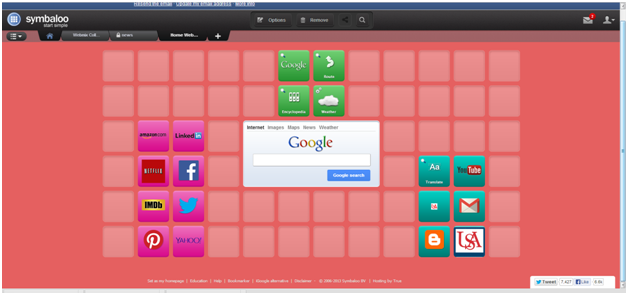
I choose to use Symbaloo for my PLN. After watching A 7th Graders Personal Learning Environment and Building Your PLN - A Primer for Anyone, I understood what PLNs were used for and how they can help the learning process in the classroom. After creating my PLN, I played around and found out that organizing and adding tiles was bot hard at all! Right now I have very few tiles, but as I progress through the course I will add more tiles, as I need them. Currently, I have two main categories which are personal(pink) and school related(turquoise). Symbaloo is user friendly, and I am excited to see what all I can do with it!
C4K Summary for September
C4K #1
This I Believe- Summary
For my first C4K, I was assigned to Pelma who is a 10th grader. She wrote a paper called, “This I Believe.” Pelma believes in commitment because of all her years in dance. She said that dance has taught her to always commit to everything you do. She said that commitment is the key to life.
My reply:
In my comment, I told Pelma who I was and what school I went to. I told her that I really liked her paper and she did an awesome job writing it. I said that I have never taken dance, but I played soccer and commitment needed for that, too.
C4K #2
OUCH! Brain Freeeeeezee- Summary
For my second C4K, I was assigned to Aidan who is Year 5 in Mrs. Lieschke class. Aidan wrote about brain freezes and how annoying they are. He said they affect the roof of his mouth and the back of his head. He then asked if it annoys you and where does it affect you.
My reply:
Hi, Aiden! My name is Linda Check and I am a student in EDM310 at the University of South Alabama! I know exactly what you mean with the brain freeze! I get them all the time, because I am a fast eater. Those brain freezes come out of nowhere and hit you! They effect right on the side of my head. They do not last too long, but they are horrible for the few seconds you have them!
C4K #3
Skype
For my third C4K, I was assigned to Promise a year 5 student at Pt England School. Promise posted a video of him and his friend skyping. Promise was mostly listening to his friend, and not a lot of information was given. You could not hear his friend, either.
My reply:
Hi, Promise! My name is Linda and I am a student in EDM310 at the University of South Alabama. I really liked your video of you talking to your friend! You also did an awesome job getting the video on your blog!
C4K #4
HOW MUCH DOSE THE SKY WEIGH?
For my fourth C4K, I was assigned to Macie who is in 6th grade. Macie wrote about how much the sky weighs. She told us that meteorologist estimate that air weighs 5 million billion tons or more. She also said that it you walk up Mt. Everest, the higher you go, the harder it is to breathe.
My reply:
Hi, Macie! My name is Linda and I am a student in EDM310 at the University of South Alabama. That is crazy about the sky! I never would have imagined that air would weighed so much! I knew that the higher you go the more pressure you have on you, but to think air weighs 5 million billion tons is mind blowing! Awesome post and keep up the good work!
This I Believe- Summary
For my first C4K, I was assigned to Pelma who is a 10th grader. She wrote a paper called, “This I Believe.” Pelma believes in commitment because of all her years in dance. She said that dance has taught her to always commit to everything you do. She said that commitment is the key to life.
My reply:
In my comment, I told Pelma who I was and what school I went to. I told her that I really liked her paper and she did an awesome job writing it. I said that I have never taken dance, but I played soccer and commitment needed for that, too.
C4K #2
OUCH! Brain Freeeeeezee- Summary
For my second C4K, I was assigned to Aidan who is Year 5 in Mrs. Lieschke class. Aidan wrote about brain freezes and how annoying they are. He said they affect the roof of his mouth and the back of his head. He then asked if it annoys you and where does it affect you.
My reply:
Hi, Aiden! My name is Linda Check and I am a student in EDM310 at the University of South Alabama! I know exactly what you mean with the brain freeze! I get them all the time, because I am a fast eater. Those brain freezes come out of nowhere and hit you! They effect right on the side of my head. They do not last too long, but they are horrible for the few seconds you have them!
C4K #3
Skype
For my third C4K, I was assigned to Promise a year 5 student at Pt England School. Promise posted a video of him and his friend skyping. Promise was mostly listening to his friend, and not a lot of information was given. You could not hear his friend, either.
My reply:
Hi, Promise! My name is Linda and I am a student in EDM310 at the University of South Alabama. I really liked your video of you talking to your friend! You also did an awesome job getting the video on your blog!
C4K #4
HOW MUCH DOSE THE SKY WEIGH?
For my fourth C4K, I was assigned to Macie who is in 6th grade. Macie wrote about how much the sky weighs. She told us that meteorologist estimate that air weighs 5 million billion tons or more. She also said that it you walk up Mt. Everest, the higher you go, the harder it is to breathe.
My reply:
Hi, Macie! My name is Linda and I am a student in EDM310 at the University of South Alabama. That is crazy about the sky! I never would have imagined that air would weighed so much! I knew that the higher you go the more pressure you have on you, but to think air weighs 5 million billion tons is mind blowing! Awesome post and keep up the good work!
Blog Post 7
Project Based Learning Part 1: Experiences of a 3rd Grade Teacher
By Meagan Freeman and Linda Check
In Project Based Learning Part 1, Anthony Capps told how Project Based Learning (PBL) are not only projects that teachers give at the end of a lesson to check the student’s understanding, but are a means to get the students to learn something. Anthony said a good project involves having an authentic audience, keeping the students interest in mind, involves the community, and most importantly it is driven by content. The example project he told us about was a project he had his third grade class do, which involved writing letters to Congressman Jo Bonner. Anthony told his class about a recent decision that allows women to serve in open combat and the project was, using iCurio, to find a female or minority history figure that demonstrated success when it was uncommon. Then, using this information, write Congressman Jo Bonner and state whether they thought it was appropriate for women to fight in open combat, or not. They informally interviewed family and friends that served in the military and helped critique their classmates letters. They chose eight to send and got a stock reply, which the students were very excited about! The project was content driven and community involved. The project even covered ACCRS standards for writing, reading, and social studies. We learned that PBL is not only to show whether the students know the material or not, but to help teach the material in a fun and exciting way. Anthony Capps told us how to create a PBL project and how to get the best results!
Project Based Learning Part 2: Experiences of a 3rd Grade Teacher
By Meagan Freeman and Linda Check
In Project Based Learning Part 2, Anthony spoke about a project he gave his third graders. After studying Afghanistan, his students wrote as if they were a child in afghanistan, then made an imovie of the script. The project was a huge success among the class, parents, and administrators. The students went above and beyond what was expected of them. All of the parents were amazed by the movies the third graders created. Through Project Based Learning we have learned that assignments are given meaning. Students see how PBL relates to the real world and are more excited to learn. We think that project based learning allows students to become more engaged in assignments and projects. They feel as if they have freedom with learning instead of a right or wrong answer. PBL encourages students to search for new knowledge and they excited to show it off.
iCurio
By Meagan Freeman and Linda Check
In iCurio Anthony, Anthony discussed the features of iCurio. We learned that iCurio is an online search tool that serves a few different purposes. The first, and main, purpose is to allow students to search websites, videos, images, and online media that have been pulled and filtered for educational use. The things the students are looking at have been deemed appropriate by a responsible figure, so the teacher does not have to worry about anything inappropriate popping up. The second feature is a storage capacity that allows teachers and students to store different content they find that is valuable. It also allows students to practice their virtual organization skills. The third feature Anthony mentioned was the historical figures feature. This feature allows students to search by criteria. It is a directory that helps the students find specific topics they are looking for, an example being 1960 African American male. The last feature is one that we really liked and would find very useful, being special education majors. It is a read-along feature that reads the text of an article aloud. This is very valuable to students with special needs. They are able to use the information the text gives, even if they are not able to read it. We learned iCurio is very helpful is the classroom, and we plan to make great use of it in the future!
Discovery Education
By Meagan Freeman and Linda Check
Discovery Ed- In Discovery Ed Anthony, Anthony mentioned Discovery Ed is important because students retain a lot more about information about text when it has visual elements. Discovery Ed gives students the opportunity to add background knowledge and illustration along with text. It makes learning fun, instead of most children looking at it as a chore. We agree that visual cues are much more effective in remembering material than just reading by itself. Our group feels that Discovery Ed is a great resource for PBL . The goal of PBL is t to engage the students and make them feel more connected to the learning process, which is exactly what Discovery Ed does.
The Anthony - Strange list of Tips for Teachers Part 1
By Linda Check
In The Anthony - Strange Tips for Teachers Part 1, Dr. Strange and Anthony taught me that teachers just starting need to prepare for a wide variety of obstacles in the classroom. The first piece of advice I learned, was that if you are not a constant learner, you will not be a successful educator. Learning does not stop once your eight-hour day ends, you are always learning from experience then, taking what you learned and using it in the classroom. The next thing I learned was that teaching is hard work, yet fun at the same time. Teaching is constant and very rewarding, if you let it be. I, also, learned that you must be very flexible as a teacher. Lessons will not always go as planned, and when this happens, you need to take what you got a roll with it. If you are planning to use the computers for a lesson, but the servers are down, figure out another way the students will still learn what you need them to, just with a different activity. Another piece of advice I took was that you need to plan lessons that get students engaged. Create projects that are shareable and get the students excited to learn the objectives you need them to. The last thing I learned was that reflection and self-evaluation are a huge part of the learning process. If the student’s are sharing their assignments to an audience, they become more serious about revising and reflecting on their work. Students can, also, take critiques from the audience to make their work better. I took many things away from this video. I learned that becoming a teacher comes with many obstacles, once you get into the classroom. You have to be prepared for all kind of hiccups in the road and events to not play out perfectly. Learning is a constant job and if you are constant learner, you will be successful in your teaching career.
Use Tech- Don’t Teach It
By Meagan Freeman
In UseTech- Don't Teach It, Anthony said that you should not teach technology, just introduce it. He said don’t have a list of technology that should be learned, instead go through technology in small steps. Eventually the steps can be combined and the students will be much more savvy with technology. He mentions that educators should allow students to get excited about technology and let them use it to share their ideas. Anthony made a good point when saying don’t teach technology, just introduce it. I also think that technology can’t be taught, and you just have experiment with it. I like that Anthony said not to focus on mistakes, and just give your students and opportunity to learn. Technology can be harder for some to catch on to than others, and it is always changing. There is so much PBL that can be done using technology and I think it will only help our students advance.
By Meagan Freeman and Linda Check
In Project Based Learning Part 1, Anthony Capps told how Project Based Learning (PBL) are not only projects that teachers give at the end of a lesson to check the student’s understanding, but are a means to get the students to learn something. Anthony said a good project involves having an authentic audience, keeping the students interest in mind, involves the community, and most importantly it is driven by content. The example project he told us about was a project he had his third grade class do, which involved writing letters to Congressman Jo Bonner. Anthony told his class about a recent decision that allows women to serve in open combat and the project was, using iCurio, to find a female or minority history figure that demonstrated success when it was uncommon. Then, using this information, write Congressman Jo Bonner and state whether they thought it was appropriate for women to fight in open combat, or not. They informally interviewed family and friends that served in the military and helped critique their classmates letters. They chose eight to send and got a stock reply, which the students were very excited about! The project was content driven and community involved. The project even covered ACCRS standards for writing, reading, and social studies. We learned that PBL is not only to show whether the students know the material or not, but to help teach the material in a fun and exciting way. Anthony Capps told us how to create a PBL project and how to get the best results!
Project Based Learning Part 2: Experiences of a 3rd Grade Teacher
By Meagan Freeman and Linda Check
In Project Based Learning Part 2, Anthony spoke about a project he gave his third graders. After studying Afghanistan, his students wrote as if they were a child in afghanistan, then made an imovie of the script. The project was a huge success among the class, parents, and administrators. The students went above and beyond what was expected of them. All of the parents were amazed by the movies the third graders created. Through Project Based Learning we have learned that assignments are given meaning. Students see how PBL relates to the real world and are more excited to learn. We think that project based learning allows students to become more engaged in assignments and projects. They feel as if they have freedom with learning instead of a right or wrong answer. PBL encourages students to search for new knowledge and they excited to show it off.
iCurio
By Meagan Freeman and Linda Check
In iCurio Anthony, Anthony discussed the features of iCurio. We learned that iCurio is an online search tool that serves a few different purposes. The first, and main, purpose is to allow students to search websites, videos, images, and online media that have been pulled and filtered for educational use. The things the students are looking at have been deemed appropriate by a responsible figure, so the teacher does not have to worry about anything inappropriate popping up. The second feature is a storage capacity that allows teachers and students to store different content they find that is valuable. It also allows students to practice their virtual organization skills. The third feature Anthony mentioned was the historical figures feature. This feature allows students to search by criteria. It is a directory that helps the students find specific topics they are looking for, an example being 1960 African American male. The last feature is one that we really liked and would find very useful, being special education majors. It is a read-along feature that reads the text of an article aloud. This is very valuable to students with special needs. They are able to use the information the text gives, even if they are not able to read it. We learned iCurio is very helpful is the classroom, and we plan to make great use of it in the future!
Discovery Education
By Meagan Freeman and Linda Check
Discovery Ed- In Discovery Ed Anthony, Anthony mentioned Discovery Ed is important because students retain a lot more about information about text when it has visual elements. Discovery Ed gives students the opportunity to add background knowledge and illustration along with text. It makes learning fun, instead of most children looking at it as a chore. We agree that visual cues are much more effective in remembering material than just reading by itself. Our group feels that Discovery Ed is a great resource for PBL . The goal of PBL is t to engage the students and make them feel more connected to the learning process, which is exactly what Discovery Ed does.
The Anthony - Strange list of Tips for Teachers Part 1
By Linda Check
In The Anthony - Strange Tips for Teachers Part 1, Dr. Strange and Anthony taught me that teachers just starting need to prepare for a wide variety of obstacles in the classroom. The first piece of advice I learned, was that if you are not a constant learner, you will not be a successful educator. Learning does not stop once your eight-hour day ends, you are always learning from experience then, taking what you learned and using it in the classroom. The next thing I learned was that teaching is hard work, yet fun at the same time. Teaching is constant and very rewarding, if you let it be. I, also, learned that you must be very flexible as a teacher. Lessons will not always go as planned, and when this happens, you need to take what you got a roll with it. If you are planning to use the computers for a lesson, but the servers are down, figure out another way the students will still learn what you need them to, just with a different activity. Another piece of advice I took was that you need to plan lessons that get students engaged. Create projects that are shareable and get the students excited to learn the objectives you need them to. The last thing I learned was that reflection and self-evaluation are a huge part of the learning process. If the student’s are sharing their assignments to an audience, they become more serious about revising and reflecting on their work. Students can, also, take critiques from the audience to make their work better. I took many things away from this video. I learned that becoming a teacher comes with many obstacles, once you get into the classroom. You have to be prepared for all kind of hiccups in the road and events to not play out perfectly. Learning is a constant job and if you are constant learner, you will be successful in your teaching career.
Use Tech- Don’t Teach It
By Meagan Freeman
In UseTech- Don't Teach It, Anthony said that you should not teach technology, just introduce it. He said don’t have a list of technology that should be learned, instead go through technology in small steps. Eventually the steps can be combined and the students will be much more savvy with technology. He mentions that educators should allow students to get excited about technology and let them use it to share their ideas. Anthony made a good point when saying don’t teach technology, just introduce it. I also think that technology can’t be taught, and you just have experiment with it. I like that Anthony said not to focus on mistakes, and just give your students and opportunity to learn. Technology can be harder for some to catch on to than others, and it is always changing. There is so much PBL that can be done using technology and I think it will only help our students advance.
Sunday, September 29, 2013
Blog Post 6
In this week’s assignment, I viewed two different sources to try to figure out what questions we should ask as future educators and how we should ask them. I learned that there are a couple of different questions you can ask students and there are different ways you can ask them.
In the first source I viewed, Asking better questions in the classroom, was a video that told of two different ways you could ask students questions. First, you could ask a student a close-ended question, which will give you a quick “yes” or “no” from the students. This type of question is not the kind of question you want to ask students if you are trying to get their opinion on a subject. Teachers often make the mistake of asking close-ended questions, and expect children to elaborate more. What question they should have asked is an open-ended question. Open-ended questions leave the students room to think and form opinions on the question you are asking.
An example of a close-ended question is, “Do you think the weather outside is pretty?” Well, all a student has to do is say “yes” and technically, they have answered your question. An example of an open-ended question is, “What do you think about the weather outside?” This way the student has to think and then elaborate on their response, in order to get their thoughts across to you. Open-ended questions also leave room for discussions and debates.
The second source I viewed was the article, Three Ways to Ask Better Questions in the Classroom. The article said, “Good questions make students think, they encourage participation and I think they improve the caliber of the answers students give and the questions they ask.” This powerful statement shows questions are more important than the answers. Questions make the students see the big picture and help them form opinions for themselves and not just agree with what the other students are saying.
Three Ways to Ask Better Questions in the Classroom, gives people three way to help improve the questions one should ask in the classroom. The first way is to prepare the questions before class, instead of asking questions that randomly come into your head in the middle of the lesson. If you prepare questions ahead of time, you will avoid asking unclear questions that confuse the students.
The second way to improve your questions is to play with the questions. This means, ask a question and then leave it unanswered until close to the end of the lesson. If you ask a question and then immediately answer it, the student will not maul over the question. They will hear the answer and then forget the question, and that does not give them time to form their own opinion.
The third, and final, way to help improve your questions is to preserve good questions. If a student asks a really good question, keep it and use it in another class. You should also take notes on how students respond to your questions, whether they respond well or not. If they respond well, keep the question and if they do not respond at all, think about how you can rephrase the question to make it clearer.
Questions come in all shapes and sizes and a teacher should remember that the questions you ask can either improve a student’s mind or leave them with nothing to think over!
Friday, September 27, 2013
Sunday, September 22, 2013
Friday, September 20, 2013
Sunday, September 15, 2013
Blog Post 4
This week we learned about podcasts, which I found out are a multimedia digital file made available on the internet for downloading to a portable media player. I really had no idea what podcasts were and why teachers would use them in a classroom, before this week. I watched several videos that showed me just how useful podcast could be in the school.
The podcast resources I viewed where How To Create A Podcast, Flat Stanley Podcast, and The benefits of podcasting in the classroom. These resources allowed me to see just how effective podcasts were in the classroom and how much the students enjoyed the podcasts. I learned that teachers could use a podcast to record their lectures and upload them for the students to review; or if a student were sick one day, they would not miss a ton of valuable information covered in class. A podcast could also be student centered and used for project-based learning. Students could write out scripts and act them out on the podcast.
I learned it was not that hard to create a podcast. The video I watched, How To Create A Podcast, showed that if you have a microphone, computer, and download a free program, you can podcast! After downloading whatever program you choose to use, you can record your podcast, edit it, and upload it to the internet. It looked easy enough on the video, but I am sure actually doing it will be a different story. That is what project based learning is all about, though!
I will definitely use podcasting in my classroom. In the resources, I saw that the students really come alive when the teacher uses podcasts. They retain the information better if they have to create/memorize scripts and act them out, rather than the teacher lecturing the entire time and the students just taking notes. Hands on learning is more interesting for the students and allows them to gain skills that they can use in everyday life. This is why teachers use podcasts.
C4T #1
Straight Up Love is Louder
For my first C4T I was assigned to the blog 21apples. The first post on the blog that I saw was a video called The Straight Up Love is Louder Story. The video is part the story of a massive movement to get people to accept others for who they are. In 2012, a group of guys from NYC made videos expressing support for their gay peers. This group consisted of captains from the lacrosse and basketball teams, performers, and artist. Other students joined in and together they were changing their school’s culture. They knew it was hard for students to come out and tell their peers they were gay, and it was equally hard for straight students to show support for their gay peers. Their work to make their school a place where everyone felt included and supported was the inspiration for the national campaign: Straight Up Love is Louder, which was founded by the Jed Foundation and MTV. Their goal is to stop stereotypes and create an environment where everyone is treated with love and respect.
My comment on the blog post:
This campaign is amazing. I lot of people say they support people who are gay, but if you ask a person in front of a crowd, many of them will start shutting down and denying their true feelings on the subject, for fear of being judged. Many times, it takes campaigns like this, which are supported by MTV and other famous stations/people, to allow people to admit their true feelings. Silly, I know, but it is the cold truth. That is why I think the group of boys at Trinity School are amazing. They had no celebrities telling them it was “cool” to support the gay students at their school, they did it because it was the right thing to do! The group of boys, also had the dedication to make Straight Up Love is Louder a national campaign. Watching this video gave me faith in humanity. I am a student at the University of South Alabama in Mobile, Alabama taking EDM 310, and although I would love to say this campaign has become well known around here, it has not. This is my first time hearing about it, but you can be sure that I will share this video and spread the word! Thanks for sharing!
Hi friends and strangers, please interact with me, not your mobile device
The second post I read on 21apples, was Hi friends and strangers, please interact with me, not your mobile device. The author of the blog, arvind s. grover, the Dean of Faculty at the Grace Church School in New York City, said that phone addiction has gotten out of hand. He said that he understands using technology when needed, but when it gets in the way of our ability to love and interact with each other, things have gone too far. He said that we should control our phone devices, not the other way around, which is absolutely correct.
A short, two minute, video called I Forgot My Phone was also posted and it hit the nail on the head! The video showed a wide variety of different scenarios where people are either ignoring those around them to play on their phone or taking pictures and videos of special moments and not paying attention to the actual moment. It was upsetting to see just how much phones have really taken over.
My comment on the blog post:
It is so sad that the video is spot on. Everyone is so concerned with making sure everyone else on social media knows what they are doing, that they often miss the special moments, themselves. It is sad to say, but every scenario on the video I have seen for myself. Phone addiction makes you lose sight of the people and moments right in front of your face! I am a student at the University of South Alabama, taking EDM 310 and would love it if people took a look at my blog at: http://checklindaedm310.blogspot.com/.
For my first C4T I was assigned to the blog 21apples. The first post on the blog that I saw was a video called The Straight Up Love is Louder Story. The video is part the story of a massive movement to get people to accept others for who they are. In 2012, a group of guys from NYC made videos expressing support for their gay peers. This group consisted of captains from the lacrosse and basketball teams, performers, and artist. Other students joined in and together they were changing their school’s culture. They knew it was hard for students to come out and tell their peers they were gay, and it was equally hard for straight students to show support for their gay peers. Their work to make their school a place where everyone felt included and supported was the inspiration for the national campaign: Straight Up Love is Louder, which was founded by the Jed Foundation and MTV. Their goal is to stop stereotypes and create an environment where everyone is treated with love and respect.
My comment on the blog post:
This campaign is amazing. I lot of people say they support people who are gay, but if you ask a person in front of a crowd, many of them will start shutting down and denying their true feelings on the subject, for fear of being judged. Many times, it takes campaigns like this, which are supported by MTV and other famous stations/people, to allow people to admit their true feelings. Silly, I know, but it is the cold truth. That is why I think the group of boys at Trinity School are amazing. They had no celebrities telling them it was “cool” to support the gay students at their school, they did it because it was the right thing to do! The group of boys, also had the dedication to make Straight Up Love is Louder a national campaign. Watching this video gave me faith in humanity. I am a student at the University of South Alabama in Mobile, Alabama taking EDM 310, and although I would love to say this campaign has become well known around here, it has not. This is my first time hearing about it, but you can be sure that I will share this video and spread the word! Thanks for sharing!
Hi friends and strangers, please interact with me, not your mobile device
The second post I read on 21apples, was Hi friends and strangers, please interact with me, not your mobile device. The author of the blog, arvind s. grover, the Dean of Faculty at the Grace Church School in New York City, said that phone addiction has gotten out of hand. He said that he understands using technology when needed, but when it gets in the way of our ability to love and interact with each other, things have gone too far. He said that we should control our phone devices, not the other way around, which is absolutely correct.
A short, two minute, video called I Forgot My Phone was also posted and it hit the nail on the head! The video showed a wide variety of different scenarios where people are either ignoring those around them to play on their phone or taking pictures and videos of special moments and not paying attention to the actual moment. It was upsetting to see just how much phones have really taken over.
My comment on the blog post:
It is so sad that the video is spot on. Everyone is so concerned with making sure everyone else on social media knows what they are doing, that they often miss the special moments, themselves. It is sad to say, but every scenario on the video I have seen for myself. Phone addiction makes you lose sight of the people and moments right in front of your face! I am a student at the University of South Alabama, taking EDM 310 and would love it if people took a look at my blog at: http://checklindaedm310.blogspot.com/.
Sunday, September 8, 2013
Blog Post 3
This week, we learned how to construct a quality peer review. A peer review is when you work with someone your own age to help improve, revise, and edit his or her own writing. In effort to become a pro peer editor I watched, read, and viewed many different sources and learned a great deal from all.
First, I read Paige Ellis' Blog Assignment #12 . Ms. Ellis addressed one reason I have always disliked peer editing, which is that critiquing someone’s work is not always appreciated. However, we are part of a learning community and we need to help each other along the way!Her blog post was insightful and an amazing source, especially since this opinion on peer review came from someone my age.
I then proceeded to watch What is Peer Editing? and view the slideshow Peer Edit With Perfection Tutorial, to really understand how to create a quality peer review. Both sources tell of three steps that help achieve this goal: compliment, suggest, and correct. This helped me tremendously. I had no idea where to begin with peer editing and this help me out!
Peer reviews should always start with a compliment. Tell the author what you like about the paper, before you start to tell them what they should change. Next, you should make specific suggestions on how to make the writing better. You should make suggestions on several items. Word choice- did the author choose interesting words? Using details- did the author describe things thoroughly? Organization- can you understand the flow? Sentences- are there any run-ons or fragments? Topic- does the author stay on topic? The final step is to make corrections. You should check your peer’s work for mistakes in punctuation, grammar, and spelling. You should always remember to stay positive in your critiques!
The last source I watched was the comical video, Writing Peer Review Top 10 Mistakes. Over the years, I have come across some Mean Margaret’s, Pushy Pauly’s, and Jean the Generalizer’s. I appreciate the helping hand that peer reviews give, but when you hear only negative reviews, people telling you how to write YOUR paper, or people criticizing your paper, but not telling you how to make it better, it makes you cringe at the words “peer editing”! That is why I love the idea of this video; it lets people know what is not acceptable while trying to peer review, in a funny way!
From now on, I think I will be able to be very helpful to my fellow peers. Also, after this week I no longer cringe at the thought of a peer review. I will probably switch between emailing and posting on my peer's blog when I do a peer review. If I feel like my peer had a crazy amount of errors, I will email them; otherwise, I will post directly on their blog.
Saturday, August 31, 2013
Blog Post 2
Mr. Dancealot
By: Linda Check, Meagan Freeman, and Tim Johnson
In the video "Mr. Dancealot," we witnessed how a dance class should NOT be taught. Professor Dancealot is a satire of classroom where strictly teaching the subject does not mean actually teaching the subject. To start with, the professor read directly off the power point that told about each dance step by step, but never once looked at the students. He then proceeded to show the students moves and hand placements. When a student stood up to see what his professor was demonstrating, the professor yelled for him to sit down. The entire semester spiraled downward as Mr. Dancealot continued to confused the students by: playing both the male and female role, never providing the opportunity for the students to get out of their seats and actually practice the dance, and not allowing the students to actually see his “dance moves” because he was constantly behind the desk.
To top off this ridiculous class, the final took place in a ballroom where the students had to pair up and dance. When two of the students paired up, they talked about how they tried to practice at home, but lacked the proper room. When the male asked what dance they were performing, both members stopped to check their notes instead of continuing to dance. This satire explains why reading about certain topics is not enough to actually learn the topic. It is nearly impossible to learn dance moves by just listening, and not practicing. This video shows that nothing can be learned by just listening and watching, you have to “make a move” and practice what is being taught. The “Dali” group agrees that this professor should change his name to DanceaNOT!
Harness Your Students’ Digital Smarts
Summarized by: Linda Check
This week I watched the movie "Harness Your Students’ Digital Smarts" on Edutopia, and I not only learned a lot about new advancements in digital technology, but also learned about the amazing woman who made it all possible. Vicki Davis is a blogger, IT director, but first, and foremost, a teacher in rural South Georgia. Davis said, “If you only have paper and pencil, then only certain types of children will succeed.” This statement is what made me like Mrs. Davis and her ideas, but if was the fact that she lets her students teach the class and the fact that she makes the students work for the information that made me LOVE her ideas. Her genius, however, does not stop in the walls of the classroom.
Davis, along with the help of Julie Lindsay, founded the global collaborative project- “Digi Teen,” where students all around the world study digital citizenship by reading, writing, and posting work on two digital portals. The first portal is Teen-Wiki, which the students post work on assigned topics. The second portal is Digi Teen Social Network, where students and teachers from around the world can connect, blog, and share ideas.
Davis and Lindsay also founded “Flat Classroom Project.” This allows students to study trends in information technology by collaboratively writing reports with other people and creating videos where they have to outsource part of it to other students. This way the students are able to experience the trends and learn about the trends with students all over the world. Overall, the part that amazes me the most is how hands on the students are, and they not only learn the material, but also teach other students the ins and outs of computing technology.
I also explored Edutopia further, and found some great materials that I could use in my future classroom. One thing I found was the large number of free classroom guides and educational downloads, that ranged from “A Parent's Guide to 21st-Century Learning” to “How to Thank a Teacher” to even “Top Ten Tips for Assessing Project-Based Learning.” Some other materials I found, that I could use in my adventure to becoming a special education teacher, were the massive number of blogs that Edutopia has in its library. I looked through several blog posts giving advice to special education teachers on what works and what does not work in the classroom. Overall, Edutopia is a wonderful resource that all teachers and parents should know about!
The Networked Student: Why does the networked student even need a teacher?
Summarized by: Meagan Freeman
After watching “The Networked Student” by Wendy Drexler, I heard about connectivism for the first time. Connectivism seems like it could be very overwhelming, but beneficial. It is great to connect with other people to learn. I believe a main component of learning is to have as many connections as possible. This is exactly what Connectivism learning does.
By using connectivism, you have the access to connect with people and professors around the world! Many students, including me, did not even know that was possible. Through connectivism, teaching and learning have no limits! Students should know how to connect with others through various sources, instead of looking at a powerpoint and reading your textbook. It gives people the opportunity to teach new things, and get the word out there. Connectivism opens many doors to learning, and gives so much opportunity!
I can see how connectivism needs a teacher, but I also see how the teacher is not primarily useful. Without a teacher, the knowledge connecting all over the world would not ever be available. The teacher is there to guide you. He or she is the one explaining what connectivism is, how it works, and what opportunities are available. Conversely, It seems as if any teacher could teach any subject, without much knowledge of it when using connectivism. The teacher does have to know how to connect students to resources, but not how to actually teach the course.
Teaching in the 21st Century
Summarized by: Tim Johnson
Kevin Roberts video “Teaching in the 21st Century” is trying to break away from the traditional, “pens and papers” way of teaching into a modern technology friendly format. In the video, he ask how a teacher can teach a student anything if that student could easily find the information that the student wanted simply by looking it up. He wants to move the focus onto teaching students how to use technology to get the information they need instead of a teacher teaching one thing, another teacher teaching something else, and the third teacher teaching the last thing. Roberts suggest we teach children to use the World Wide Web to its full potential by seeking out social media, collaborated websites, and search engines to build our knowledge on things.
Foremost, I agree with Roberts video for the most part. I especially believe in the engagement versus entertainment. I think we should engage students more, but is technology the true wave of the futures; yes in the long run or even sooner than I suspect, but as of now, no. Technology is progressing too quickly in my opinion which I don’t blame them, but how are we suppose to teach students when back when we were kids, we weren’t even allow flip phones till we were teenagers, or at least that was my case. I think we should learn how to teach students to gather information, sift through websites for correct and positive information, but I still feel we need lecture base, pens and paper type classrooms. I’ll be the first to admit, I don’t take notes, but I know the process of doing so and how it beneficial. What I don’t like is taking a web course, having no idea what I doing, trying to contact my professor, and waiting for a reply. I understand a teacher has a hundred students to teach, why should I get a respond the second I ask a question? I don’t, but I would like the availability to meet him face to face which could be impossible if he’s ten states way. The video asked, “Where are they learning Responsibility, Reliability, Integrity? Where are they learning this? Friends, strangers, or themselves?” The internet is a wandering invention bringing us so much closer, but yet farther apart. My mother told me, “We were doom as the human race when everyone is talking to each other with their laptops all in the same room,” which we did. I think we should learn what Roberts has to say and start implying it, but let’s not drop the ball on pen and paper just quite yet.
By: Linda Check, Meagan Freeman, and Tim Johnson
In the video "Mr. Dancealot," we witnessed how a dance class should NOT be taught. Professor Dancealot is a satire of classroom where strictly teaching the subject does not mean actually teaching the subject. To start with, the professor read directly off the power point that told about each dance step by step, but never once looked at the students. He then proceeded to show the students moves and hand placements. When a student stood up to see what his professor was demonstrating, the professor yelled for him to sit down. The entire semester spiraled downward as Mr. Dancealot continued to confused the students by: playing both the male and female role, never providing the opportunity for the students to get out of their seats and actually practice the dance, and not allowing the students to actually see his “dance moves” because he was constantly behind the desk.
To top off this ridiculous class, the final took place in a ballroom where the students had to pair up and dance. When two of the students paired up, they talked about how they tried to practice at home, but lacked the proper room. When the male asked what dance they were performing, both members stopped to check their notes instead of continuing to dance. This satire explains why reading about certain topics is not enough to actually learn the topic. It is nearly impossible to learn dance moves by just listening, and not practicing. This video shows that nothing can be learned by just listening and watching, you have to “make a move” and practice what is being taught. The “Dali” group agrees that this professor should change his name to DanceaNOT!
Harness Your Students’ Digital Smarts
Summarized by: Linda Check
This week I watched the movie "Harness Your Students’ Digital Smarts" on Edutopia, and I not only learned a lot about new advancements in digital technology, but also learned about the amazing woman who made it all possible. Vicki Davis is a blogger, IT director, but first, and foremost, a teacher in rural South Georgia. Davis said, “If you only have paper and pencil, then only certain types of children will succeed.” This statement is what made me like Mrs. Davis and her ideas, but if was the fact that she lets her students teach the class and the fact that she makes the students work for the information that made me LOVE her ideas. Her genius, however, does not stop in the walls of the classroom.
Davis, along with the help of Julie Lindsay, founded the global collaborative project- “Digi Teen,” where students all around the world study digital citizenship by reading, writing, and posting work on two digital portals. The first portal is Teen-Wiki, which the students post work on assigned topics. The second portal is Digi Teen Social Network, where students and teachers from around the world can connect, blog, and share ideas.
Davis and Lindsay also founded “Flat Classroom Project.” This allows students to study trends in information technology by collaboratively writing reports with other people and creating videos where they have to outsource part of it to other students. This way the students are able to experience the trends and learn about the trends with students all over the world. Overall, the part that amazes me the most is how hands on the students are, and they not only learn the material, but also teach other students the ins and outs of computing technology.
I also explored Edutopia further, and found some great materials that I could use in my future classroom. One thing I found was the large number of free classroom guides and educational downloads, that ranged from “A Parent's Guide to 21st-Century Learning” to “How to Thank a Teacher” to even “Top Ten Tips for Assessing Project-Based Learning.” Some other materials I found, that I could use in my adventure to becoming a special education teacher, were the massive number of blogs that Edutopia has in its library. I looked through several blog posts giving advice to special education teachers on what works and what does not work in the classroom. Overall, Edutopia is a wonderful resource that all teachers and parents should know about!
The Networked Student: Why does the networked student even need a teacher?
Summarized by: Meagan Freeman
After watching “The Networked Student” by Wendy Drexler, I heard about connectivism for the first time. Connectivism seems like it could be very overwhelming, but beneficial. It is great to connect with other people to learn. I believe a main component of learning is to have as many connections as possible. This is exactly what Connectivism learning does.
By using connectivism, you have the access to connect with people and professors around the world! Many students, including me, did not even know that was possible. Through connectivism, teaching and learning have no limits! Students should know how to connect with others through various sources, instead of looking at a powerpoint and reading your textbook. It gives people the opportunity to teach new things, and get the word out there. Connectivism opens many doors to learning, and gives so much opportunity!
I can see how connectivism needs a teacher, but I also see how the teacher is not primarily useful. Without a teacher, the knowledge connecting all over the world would not ever be available. The teacher is there to guide you. He or she is the one explaining what connectivism is, how it works, and what opportunities are available. Conversely, It seems as if any teacher could teach any subject, without much knowledge of it when using connectivism. The teacher does have to know how to connect students to resources, but not how to actually teach the course.
Teaching in the 21st Century
Summarized by: Tim Johnson
Kevin Roberts video “Teaching in the 21st Century” is trying to break away from the traditional, “pens and papers” way of teaching into a modern technology friendly format. In the video, he ask how a teacher can teach a student anything if that student could easily find the information that the student wanted simply by looking it up. He wants to move the focus onto teaching students how to use technology to get the information they need instead of a teacher teaching one thing, another teacher teaching something else, and the third teacher teaching the last thing. Roberts suggest we teach children to use the World Wide Web to its full potential by seeking out social media, collaborated websites, and search engines to build our knowledge on things.
Foremost, I agree with Roberts video for the most part. I especially believe in the engagement versus entertainment. I think we should engage students more, but is technology the true wave of the futures; yes in the long run or even sooner than I suspect, but as of now, no. Technology is progressing too quickly in my opinion which I don’t blame them, but how are we suppose to teach students when back when we were kids, we weren’t even allow flip phones till we were teenagers, or at least that was my case. I think we should learn how to teach students to gather information, sift through websites for correct and positive information, but I still feel we need lecture base, pens and paper type classrooms. I’ll be the first to admit, I don’t take notes, but I know the process of doing so and how it beneficial. What I don’t like is taking a web course, having no idea what I doing, trying to contact my professor, and waiting for a reply. I understand a teacher has a hundred students to teach, why should I get a respond the second I ask a question? I don’t, but I would like the availability to meet him face to face which could be impossible if he’s ten states way. The video asked, “Where are they learning Responsibility, Reliability, Integrity? Where are they learning this? Friends, strangers, or themselves?” The internet is a wandering invention bringing us so much closer, but yet farther apart. My mother told me, “We were doom as the human race when everyone is talking to each other with their laptops all in the same room,” which we did. I think we should learn what Roberts has to say and start implying it, but let’s not drop the ball on pen and paper just quite yet.
Sunday, August 25, 2013
Blog Post 1
After reading Krissy Venosdale’s blog Venspired and watching Sugata Mitra’s video, I feel that the current school systems could learn and improve much by taking their ideas and administering then to individual schools. In Venosdale’s blog If I Built A School, after reading, I felt like I wanted to get up and go to school right then and there! I felt like her ideal school was exactly how my ideal school would be! Your school level grade would not be dependent on age, but on what you know; the 20% time where teachers signed up to teach activities based on their passion; the giant tree house in the library where students came lose themselves in other world adventures; the school would be bright and colorful, most important, welcoming! I just absolutely loved it! Mitra’s ideas are brilliant, too! He started with a hole-in-the-wall, but after much innovative thinking, he used technology to prove that students can learn much more than we know!
What do you want your students to know?
In my dream school, it would be a school for kids with all different types of disabilities/ special needs, like: autism, down syndrome, muscular dystrophy, cerebral palsy, blind and hearing impaired, ect. I would want my kids to know that everyone is different in some way or another; every person is special inside and out. I would want them to know just how strong and brave they are and with all the obstacles life has put in front of them, they impress everyone every day with their superhuman strength to push on. I would want them to know, also, that education is important for each and every person. I would want them to know, that whatever dreams they have, they can achieve, and my school will be the one to help them accomplish that!
What do you want your students to be able to do?
I want my students to be able to be creative and independent when they get to my school. I want them to be able to express themselves in a way that they usually are told is “weird.” “Weird” or, as I like to call it, uninhibited is a major “must be able to do” for me! At Camp SMILE we, as counselors, are required to be “weird!” It allows the kids to open up and realize that it is okay to be different from everyone else! I would also want my kids to be able to have access to technology, such as iPads, because they might not have access to it anywhere else. Technology greatly increases the ability for people with special needs, who are non-verbal, to communicate with everyone else!
What will be the primary way of teaching your students?
Well, since this is my dream school, I’m allowed to get needy, right? I would have many, many teachers who have had experience with children with special needs. The classrooms would be very small and divided by the child’s level of help they require. They would have unlimited access to iPads and the teaching method would compose of much one-on-one time. The teachers would use different apps to help the students on the current topic. They would also have group activities that would be appropriate for the children in the class. Outside learning time to the children that are more independently mobile, would definitely be a must!
What tools will you use in your classroom?
As I’ve said, I would use mainly iPads/tablets. I would also use smartboards to show powerpoints from time to time. I would use picture cards for non-verbal students, who cannot use the iPad, to help them communicate what they want/need. I would have coloring tools available for all my kids to express themselves. I would, also, have a large collection of videos for every subject to help my kids learn better.
What role will the students play in your classroom?
The children will play the biggest role in my classroom! They will be the deciding factor in how the classroom and lessons run! According to how the students learn and at what rate, will decide the “lesson plans.” Depending on how they learn best, will decide on what tools the classroom uses. If the students learn best in groups, groups it is! School is all about the students, so their role is a vital piece of my dream school!
What do you want your students to know?
In my dream school, it would be a school for kids with all different types of disabilities/ special needs, like: autism, down syndrome, muscular dystrophy, cerebral palsy, blind and hearing impaired, ect. I would want my kids to know that everyone is different in some way or another; every person is special inside and out. I would want them to know just how strong and brave they are and with all the obstacles life has put in front of them, they impress everyone every day with their superhuman strength to push on. I would want them to know, also, that education is important for each and every person. I would want them to know, that whatever dreams they have, they can achieve, and my school will be the one to help them accomplish that!
What do you want your students to be able to do?
I want my students to be able to be creative and independent when they get to my school. I want them to be able to express themselves in a way that they usually are told is “weird.” “Weird” or, as I like to call it, uninhibited is a major “must be able to do” for me! At Camp SMILE we, as counselors, are required to be “weird!” It allows the kids to open up and realize that it is okay to be different from everyone else! I would also want my kids to be able to have access to technology, such as iPads, because they might not have access to it anywhere else. Technology greatly increases the ability for people with special needs, who are non-verbal, to communicate with everyone else!
What will be the primary way of teaching your students?
Well, since this is my dream school, I’m allowed to get needy, right? I would have many, many teachers who have had experience with children with special needs. The classrooms would be very small and divided by the child’s level of help they require. They would have unlimited access to iPads and the teaching method would compose of much one-on-one time. The teachers would use different apps to help the students on the current topic. They would also have group activities that would be appropriate for the children in the class. Outside learning time to the children that are more independently mobile, would definitely be a must!
What tools will you use in your classroom?
As I’ve said, I would use mainly iPads/tablets. I would also use smartboards to show powerpoints from time to time. I would use picture cards for non-verbal students, who cannot use the iPad, to help them communicate what they want/need. I would have coloring tools available for all my kids to express themselves. I would, also, have a large collection of videos for every subject to help my kids learn better.
What role will the students play in your classroom?
The children will play the biggest role in my classroom! They will be the deciding factor in how the classroom and lessons run! According to how the students learn and at what rate, will decide the “lesson plans.” Depending on how they learn best, will decide on what tools the classroom uses. If the students learn best in groups, groups it is! School is all about the students, so their role is a vital piece of my dream school!
Friday, August 23, 2013
Practice Blog Post
Hello! My name is Linda Check. I am twenty-one years old. I live in Theodore, AL with my younger brother and my dad. I was born in Pensacola, FL, but my dad was offered a job as a police officer in Mobile when I was six years old and we moved. I attended Theodore High School and graduated in 2010. I was so lucky to have received the Joseph Treadwell Foundation scholarship for the University of South Alabama and that is what made my decision easy in picking a college! This last year was my first year at Camp SMILE. We were asked what our passion was and this is mine. Volunteering at Camp SMILE changed my life for the better. The campers had such an impact on my life and they made it so that I knew my switch in majors was the right decision.
I switched my major to K-6 Elementary Collaborative, but I was not sure whether I wanted to be a kindergarten or special education teacher, now the choice is obvious! Special education is such a diverse field and working with kids with special needs, I feel, is what I am meant to do. I feel that I am very good at taking care of others, but I would like to better my skills at helping people with special needs. This last summer was my first real time ever working with people with special needs, and it made me realize how little I know about different kind of diseases that affect people every day.
Thursday, August 22, 2013
Tuesday, August 20, 2013
My Test Post Title
This is my First
Post. I clicked the HTML button which I should always do in EDM310. I am now a Blogger!
Subscribe to:
Posts (Atom)